

Final Design is Underway
With environmental review complete, the bridge project is now in the design phase - an important step focused on turning a concept into a buildable, durable, and safe structure that will serve the community for generations.
During design, engineers and technical specialists work through the details of how the bridge will actually be built. This includes designing structural elements, confirming material needs, and planning how construction will occur safely and efficiently. As design advances, the team also sharpens cost estimates, evaluates risks, coordinates closely with permitting agencies, and obtains the necessary right-of-way to build the project.
This summer, the project design phase will reach a critical milestone: 60%. At that point, we will know the bridge’s final alignment and overall form, how it will be founded in the riverbed, and the primary structural systems it will use. With more information about material quantities, construction methods, labor needs, and risks, the team will also complete an updated cost estimate.
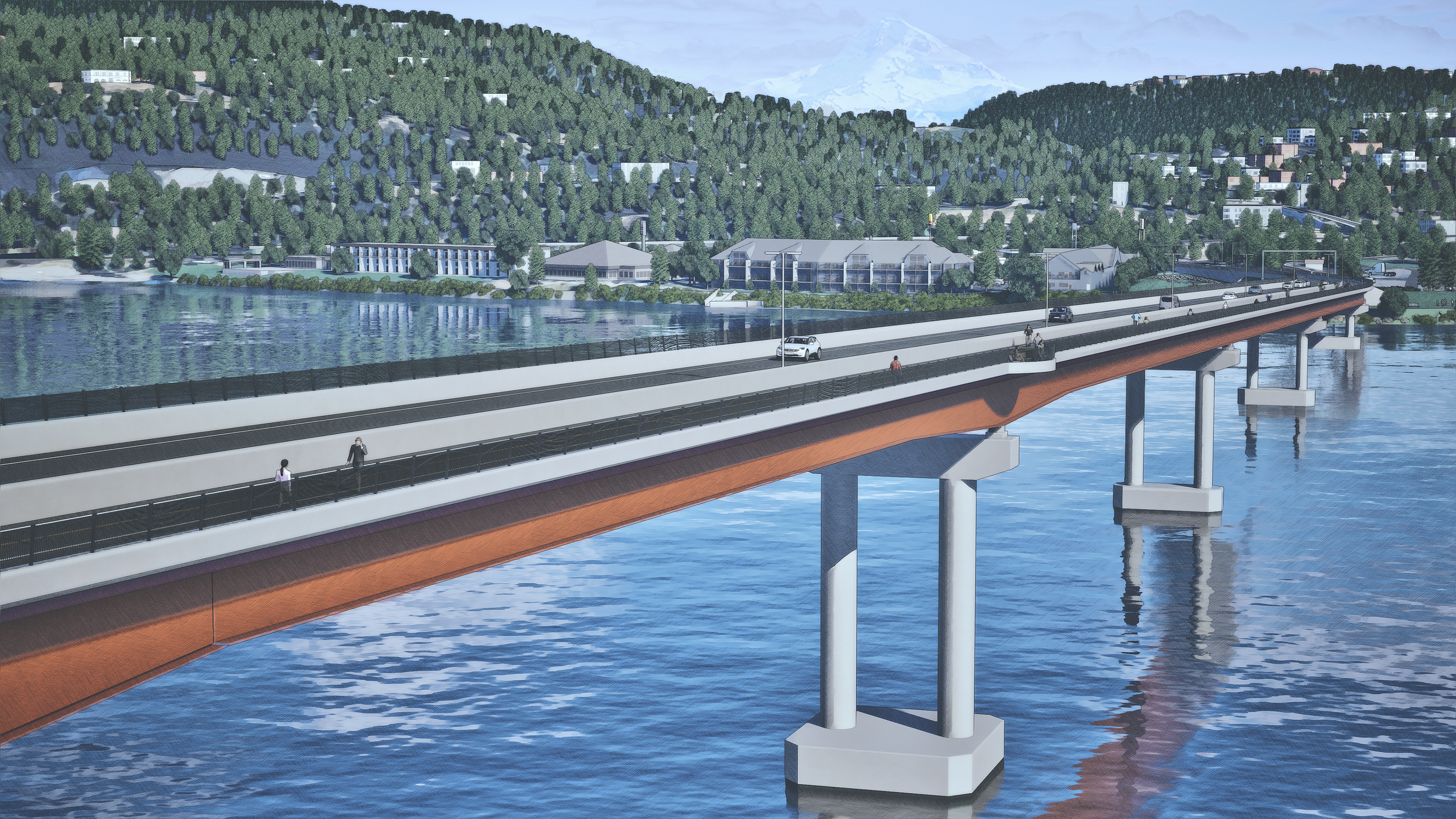
Refining the Details Ahead of Final Design Completion
Following the 60% milestone, work will focus on refining and finalizing details. This includes completing engineering, construction sequencing, specifications, and final permit coordination, along with continued cost and risk refinement. By spring 2027, the project will complete a fully buildable set of plans. Assuming the remaining funding is secured, construction could begin as early as fall 2027.
Over the coming months, the project team will share a series of updates aligned with the upcoming 60% milestone. These communications will provide deeper background on specific bridge elements, aesthetic considerations, geotechnical findings, permitting process, and right-of-way coordination, helping the public understand how key decisions are being made and what they mean for the final structure.
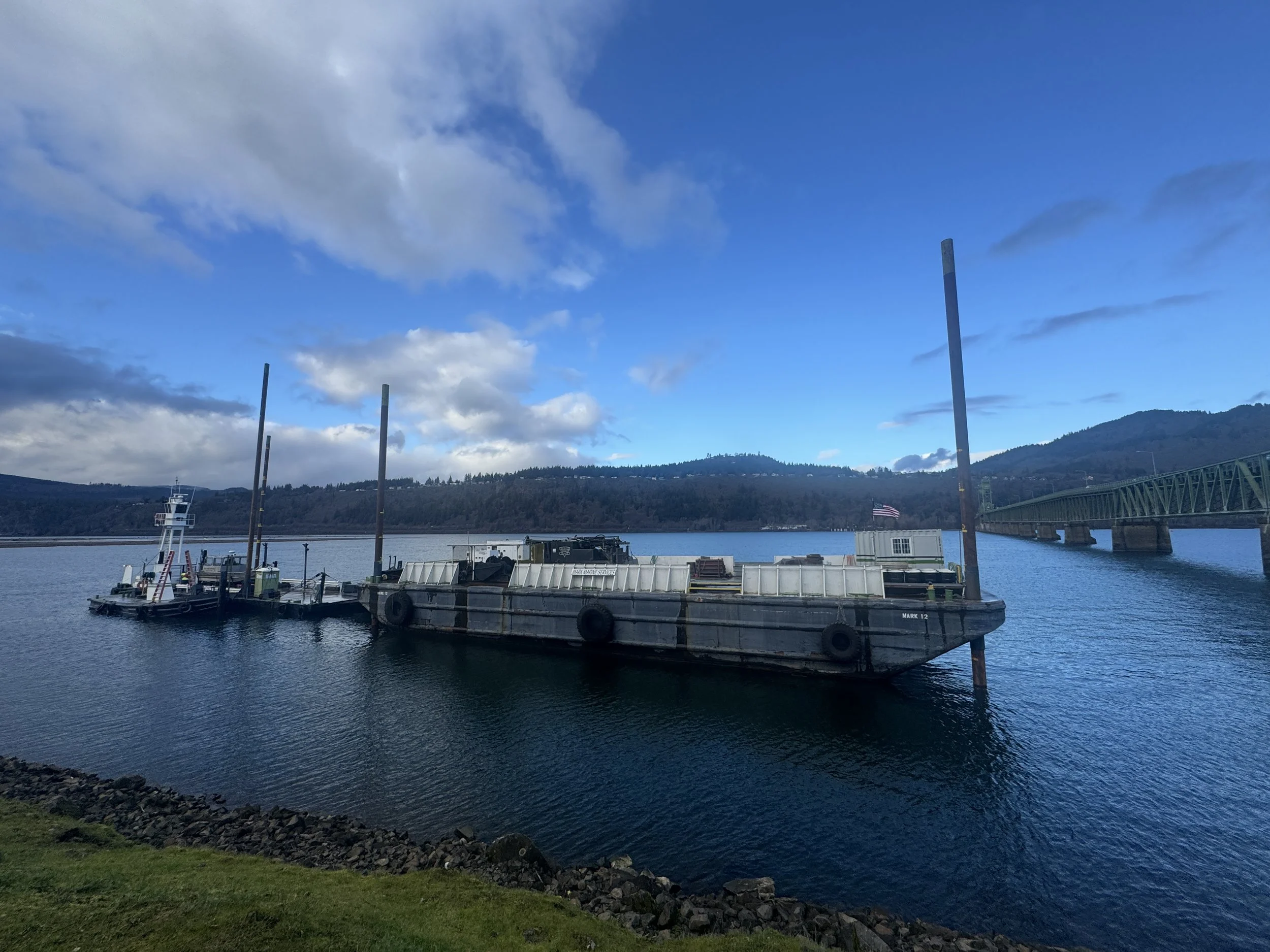
Geotechnical Investigations Underway
As part of that work, community members may occasionally see survey crews, geotechnical investigations, or other technical field activities on or near the river. These efforts are a normal and necessary part of design. They allow engineers to confirm real-world site conditions and ensure that final plans are grounded in accurate data.
While design work is less visible than construction, it is where many of the project’s most important decisions are made. Careful work during this phase helps reduce surprises later, manage costs, and keep the project on track. As milestones are reached, the project team will continue to share updates explaining what has been decided, what is still being refined, and what comes next.
Thank you for your interest and support as we lay the foundation for a safe, durable crossing that connects our communities for future generations.